BUYING GUIDE
Printed Wall or Wallpaper? An Honest Comparison
Where direct-to-wall printing beats vinyl and wallpaper on seams, durability and awkward surfaces — and the honest cases where a roll of paper still wins.
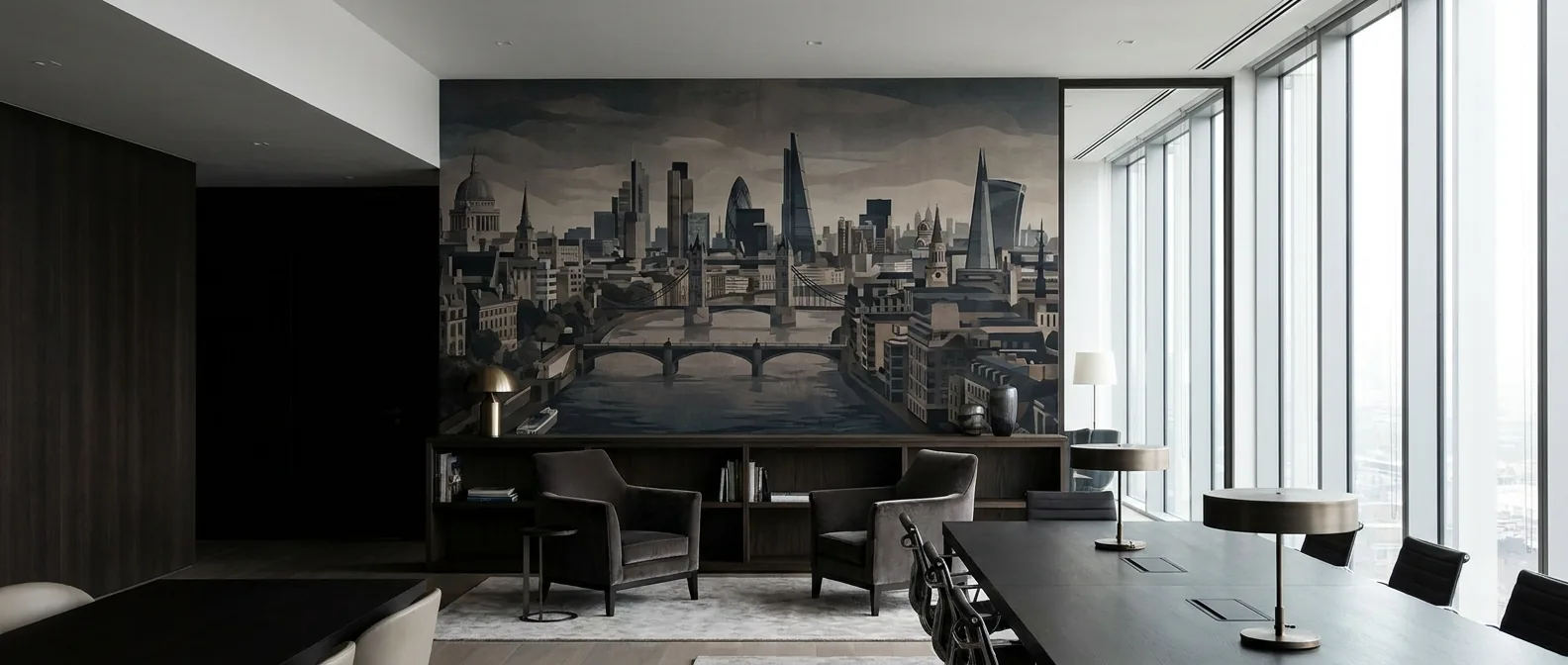
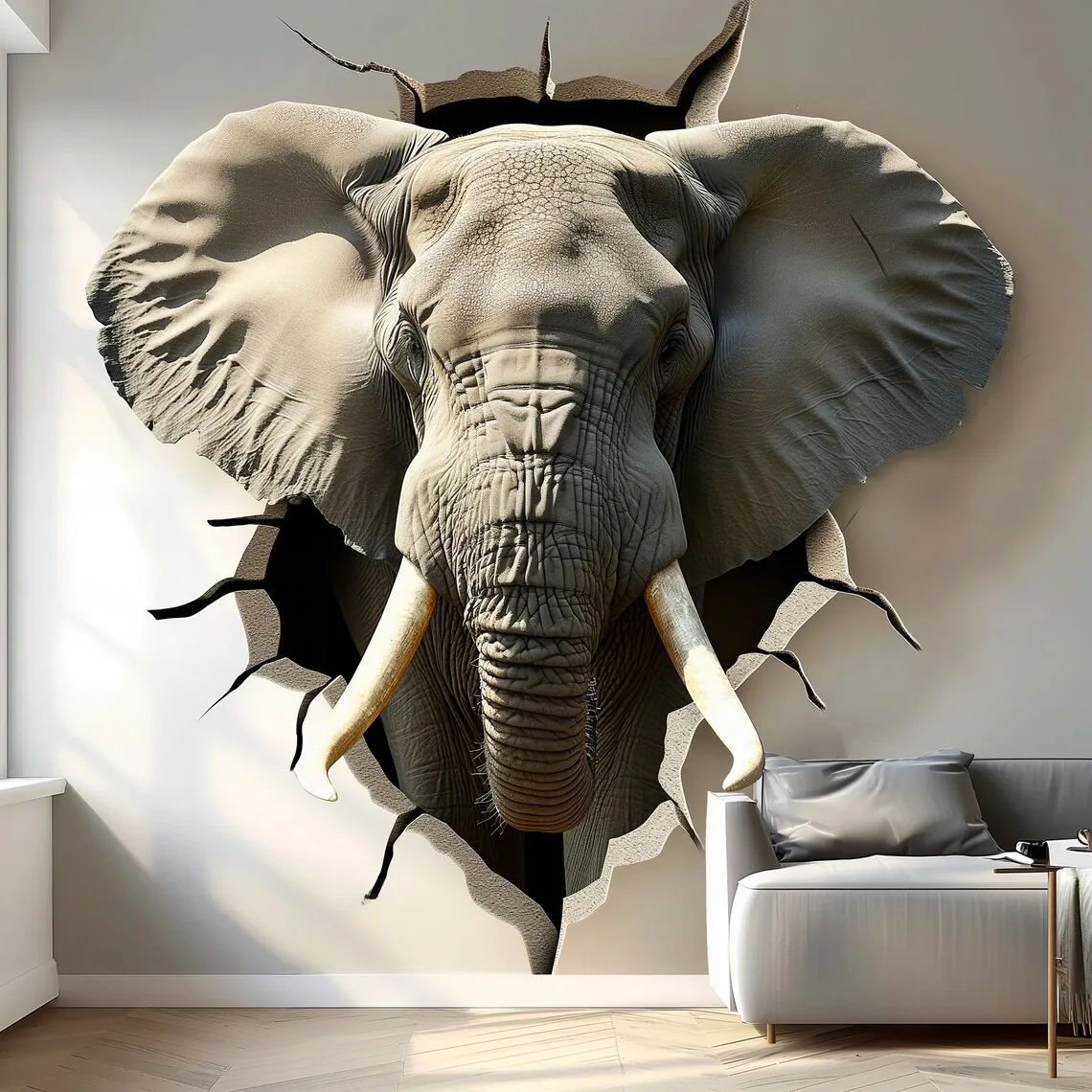
We print walls for a living, so take this for what it is — but we'd rather give you an honest comparison than oversell. Direct-to-wall printing and traditional wallpaper both put an image on your wall; they behave very differently once they're up.
Seams and lifting edges
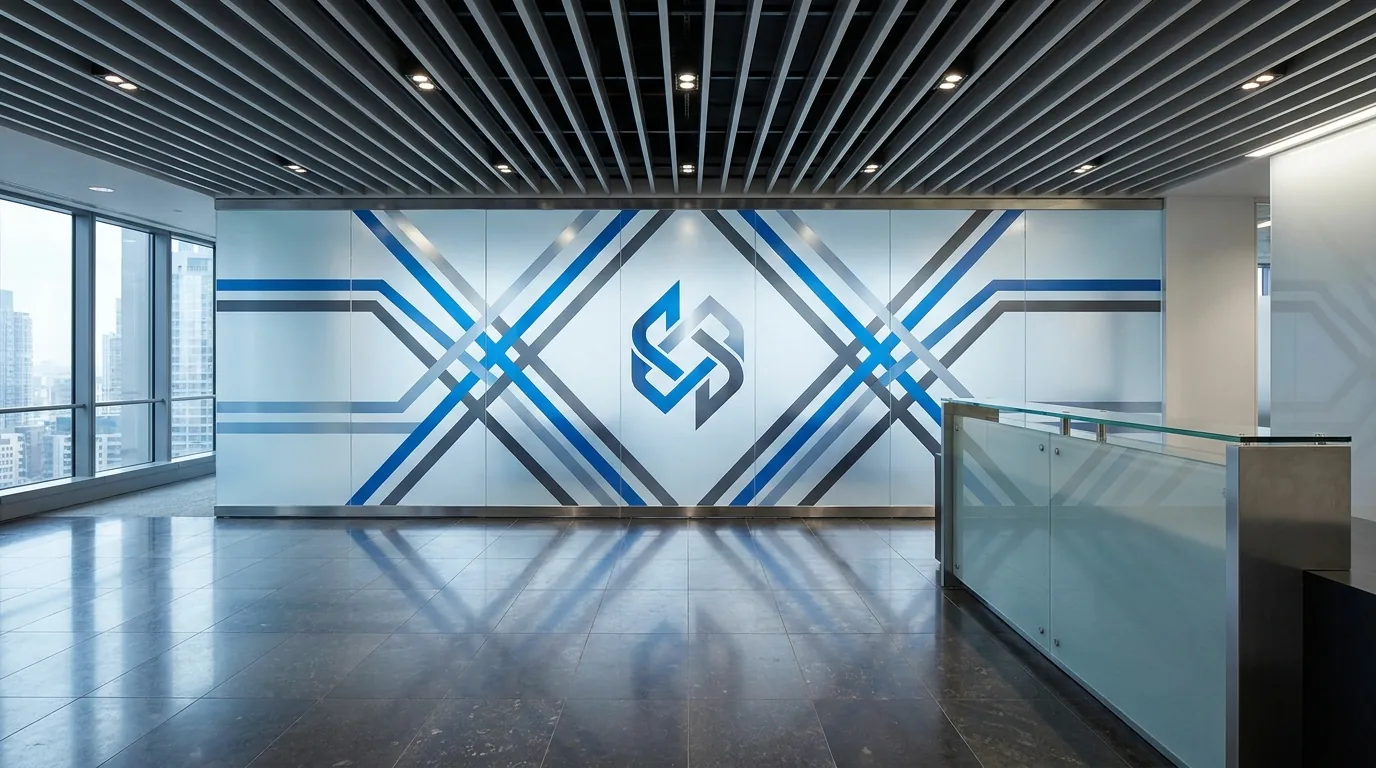
Wallpaper and large vinyl graphics arrive in panels that have to be aligned and butted together, so there's always a seam to hide, and over time — especially in warm or humid rooms — edges and corners can lift, bubble or peel. A printed wall has none of this: the ink is applied straight onto the surface in one continuous piece and cures bonded to it, so there's nothing to come away later.
Texture and difficult surfaces
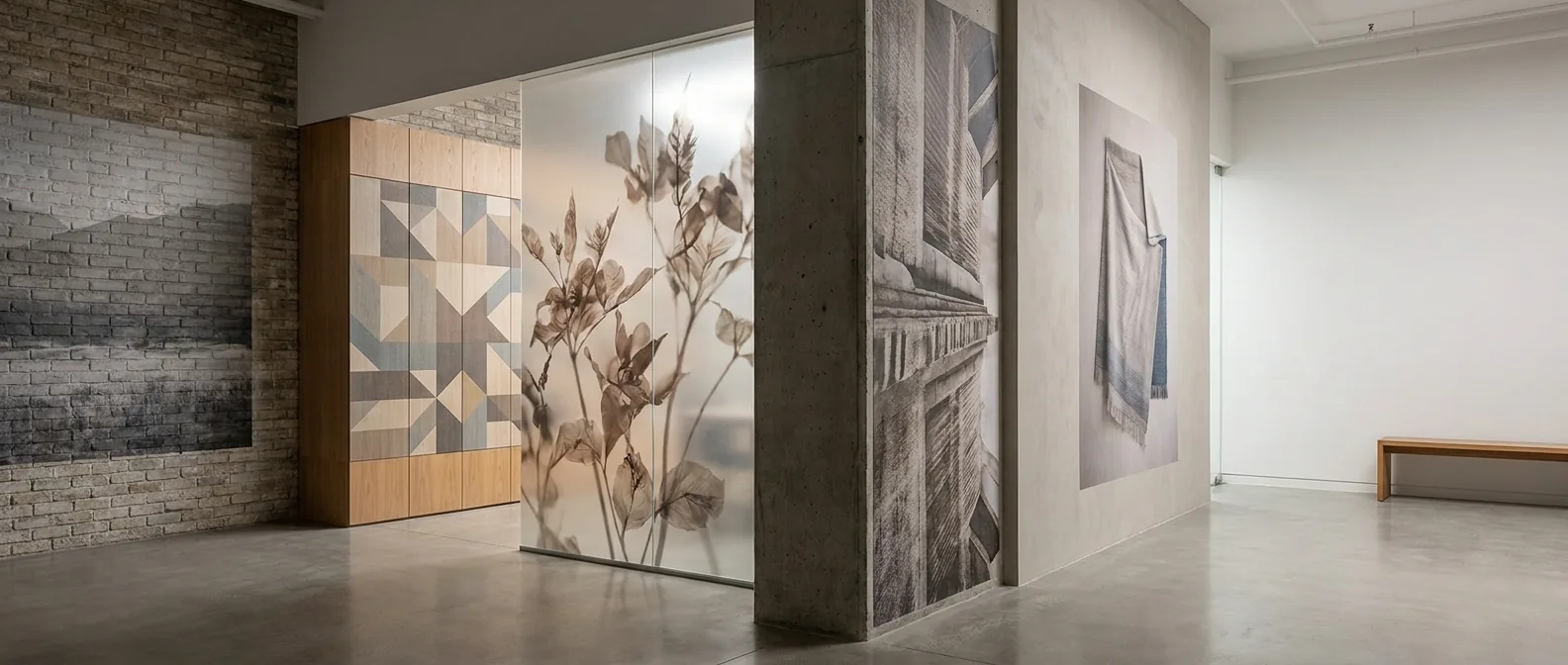
This is the big one. Wallpaper wants a smooth, flat, well-prepared wall. Brick, breeze block, rough render and textured plaster are exactly where it struggles — and exactly where direct-to-wall printing is at its best. Because we print onto the surface itself, the image follows the texture rather than fighting it, so an exposed brick wall or a concrete feature can carry full-colour artwork that paste-up simply can't manage.
Mess, smell and downtime
Because UV ink cures under light rather than drying by evaporation, there's very little odour and no drying time to wait out — most walls are finished the same day and usable immediately. There's no paste, no soaking, no stripping an old layer first.
Changing your mind later
Both are reversible, but differently. Wallpaper has to be stripped, which can damage the wall underneath. A printed wall is treated like paint — you prime and paint straight over it, or print again — so redecorating down the line is straightforward.
Where wallpaper still wins
To be fair about it: if you specifically want a raised, tactile texture you can feel — a heavy embossed or flocked paper, say — that's a physical surface a print can't replicate, since we're applying colour, not relief. And for a quick, cheap, temporary change in a rented flat, a peel-and-stick paper you'll remove in a year may be the more sensible spend. Printing earns its keep when you want something durable, seamless, large, or on a surface wallpaper can't handle.
Not sure which way to go for your space? Send us a photo of the wall and we'll give you a straight answer, even if the answer is wallpaper.